Early Signs of Hernia in OMR: Symptoms, Risks & When to See a Doctor
Many people notice small changes in their body but ignore them, hoping they’ll go away on their own. A mild pulling sensation in the abdomen, discomfort while lifting, or a small bulge near the groin often feels harmless at first.
But these can be early warning signs of a hernia.
If you’re experiencing unexplained abdominal discomfort or groin swelling, understanding hernia symptoms in OMR and knowing when to seek medical advice can prevent future complications.
Let’s break it down simply.
Understanding Hernia in Simple Terms
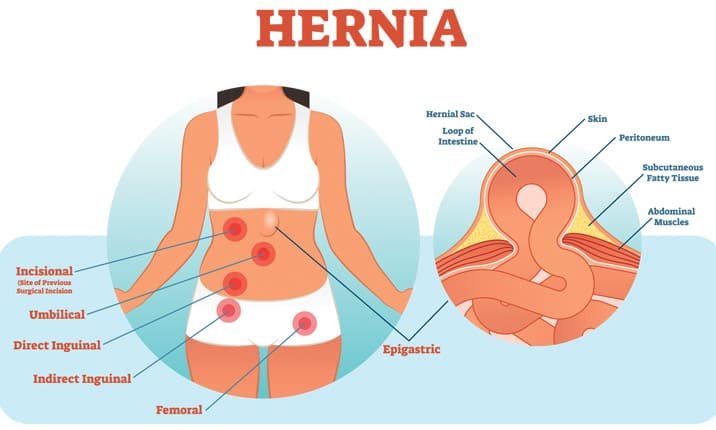
A hernia happens when an internal organ pushes through a weak spot in the muscle wall. This usually appears in the abdomen or groin.
Common types include:
- Inguinal hernia (groin)
- Umbilical hernia (belly button)
- Incisional hernia (previous surgery site)
- Hiatal hernia (upper stomach)
Hernias do not heal on their own. Over time, they usually become larger and more uncomfortable.
Early Signs of Hernia You Shouldn’t Ignore
Your body gives signals early — it’s important to listen.
Common early signs of hernia include:
- A visible or noticeable bulge
- Mild to moderate hernia pain in abdomen or groin
- Discomfort while bending, coughing, or lifting
- A burning or aching sensation
- Feeling heaviness or pressure
Some people also report weakness in the affected area.
Serious Warning Signs (Medical Emergency)
Seek immediate care if you notice:
- Sudden severe pain
- Nausea or vomiting
- Redness over the bulge
- Inability to push the hernia back
These symptoms may indicate strangulation, which requires urgent attention from an emergency laparoscopic surgeon.
Is Hernia Dangerous If Left Untreated?
This is one of the most common concerns.
A small hernia may feel manageable, but ignoring it often leads to:
- Enlargement of the hernia
- Increased pain
- Digestive discomfort
- Risk of bowel obstruction
- Emergency surgery situations
Many people search online asking, “Can I live normally with a small hernia?”
The truth is — some small hernias may stay stable for a while, but most grow over time. Early evaluation helps avoid complex surgery later.
That’s why small hernia treatment and timely medical advice are important.
When Should You See a Doctor for Hernia?
You should consult a doctor if:
- The bulge is increasing in size
- Pain affects daily activities
- You feel persistent abdominal pressure
- Symptoms worsen with movement
- You feel unsure or anxious about the condition
Knowing when to see a doctor for hernia can make recovery much easier.
Patients in Chennai often look for trusted care close to home. Consulting experienced professionals for hernia treatment in OMR allows early diagnosis and personalized guidance.
Emotional Side of Living With Hernia
Many patients silently worry:
- Will this affect my work?
- Will surgery be painful?
- What if something goes wrong?
These fears are completely natural.
The right surgeon doesn’t just treat the hernia — they help you feel informed, calm, and confident throughout your journey.
Why Many Patients in OMR Choose Dr. Durai Ravi
Before concluding, it’s important to talk about expert care.
Dr. Durai Ravi is known for his patient-first approach and strong experience in minimally invasive procedures. As a trusted best hernia surgeon in OMR, he focuses on accurate diagnosis, clear explanations, and gentle treatment planning.
Patients appreciate his:
- Honest guidance
- Advanced laparoscopic expertise
- Personalized care plans
- Supportive follow-ups
Whether you need evaluation for groin swelling or advice on laparoscopic hernia surgery OMR, Dr. Durai Ravi ensures every patient understands their condition and options before moving forward.
His goal is simple — help you return to normal life safely and confidently.
Conclusion: Listen to Your Body — Take the First Step
Hernias rarely improve on their own. If you’ve noticed a bulge, discomfort, or abdominal pain, don’t wait.
Early consultation for hernia symptoms in OMR can prevent complications and make treatment easier.
Sometimes, healing begins with one simple step — getting the right medical advice at the right time.
Frequently Asked Questions
Where can I get hernia evaluation in OMR?
Patients can consult experienced specialists offering comprehensive hernia treatment in OMR, including diagnosis and minimally invasive care.
How do I find the best hernia surgeon in OMR?
Look for strong laparoscopic experience, clear communication, and a patient-focused approach. A proper consultation helps you feel confident before treatment.
Is laparoscopic hernia surgery available in OMR?
Yes. Many centers provide laparoscopic hernia surgery OMR, offering smaller incisions, less pain, and quicker recovery.
Can I consult an emergency laparoscopic surgeon in OMR?
Yes. If you experience severe pain or complications, immediate evaluation by an emergency laparoscopic surgeon is advised.
Can I live normally with a small hernia?
Some small hernias may not cause immediate problems, but they usually grow. Early small hernia treatment helps avoid future complications.
What happens if a hernia is left untreated?
Untreated hernias can enlarge and may lead to obstruction or strangulation, often requiring emergency surgery.